





Moving into an apartment in New Jersey often involves navigating strict elevator rules, limited parking access, and building regulations that can slow down the relocation if not handled correctly. Understanding these challenges in advance allows you to plan your move more strategically and choose reliable apartment movers New Jersey rules specialists who know how to manage these issues without unnecessary delays. Safeway Moving has extensive experience working with apartment complexes across the state, and their understanding of building guidelines can help renters and homeowners experience a smoother and more organized move from start to finish. Preparing for these challenges early ensures fewer interruptions on moving day and reduces avoidable complications that can add stress to your relocation.
Many apartment complexes in New Jersey have strict booking requirements for service elevators, restricted hours when moves are permitted, and limited loading zones that require precise coordination. Moreover, some properties require documentation, proof of insurance from movers, and advance approvals before allowing entry. Because these details can vary dramatically from one building to another, working with professional apartment movers New Jersey rules specialists like Safeway Moving can give you an advantage. They handle communication with property managers, clarify elevator time slots, and arrange the safest and most efficient moving plan before the relocation even starts.
Understanding Elevator Policies in New Jersey Apartment Buildings
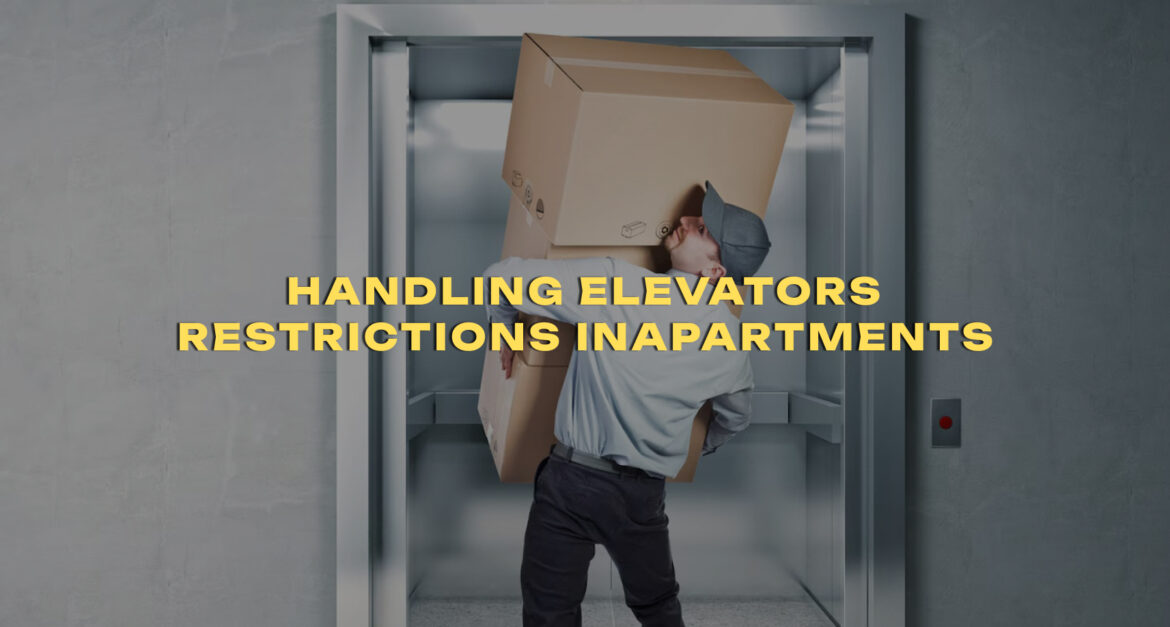
Many buildings in New Jersey regulate elevator use to prevent disruptions to residents and maintain safety during large moves. It is common for complexes to require advance reservations for service elevators, along with specific time windows that movers must follow strictly. These policies help manage foot traffic and ensure that other tenants are not inconvenienced during the moving process, but they can also create scheduling hurdles for inexperienced movers. This is why booking apartment movers New Jersey rules trained teams like Safeway Moving can be beneficial, because they understand how to work within these guidelines and complete the move during the allotted time without sacrificing care or efficiency.
Additionally, certain buildings require protective padding in the elevator, temporary coverings for the floors, and confirmation that the movers will adhere to building protocols. Safeway Moving regularly arranges these protective measures and ensures compliance with the complex’s requirements, which prevents damage penalties and avoids delays caused by miscommunication. When these rules are followed correctly, the move becomes more organized, less stressful, and far less likely to cause problems with building management.
Key points to consider include:
- Many buildings require service elevator reservations well in advance, which can quickly fill up during busy months. These appointments must be secured early, and Safeway Moving can coordinate these bookings to ensure you have the correct time window assigned without last minute conflicts.
- Some complexes do not have service elevators and instead allow only partial elevator access, which requires more careful planning. In such situations, Safeway Moving evaluates the building layout, measures furniture, and creates an appropriate loading strategy to avoid getting stuck with oversized items that cannot fit properly.
- Building staff may require proof of insurance from movers before granting elevator access, a step that professional companies like Safeway Moving handle efficiently by providing updated documentation that meets the property’s standards. This helps avoid delays that could arise if paperwork is missing on moving day.
Managing Parking Restrictions and Limited Loading Zones
Parking is one of the biggest challenges when moving into New Jersey apartments because many complexes lack designated loading zones or enforce strict rules about where moving trucks can be parked. Some areas allow short-term parking only, while others have permit requirements that must be arranged in advance. Understanding these restrictions is essential for avoiding fines, delays, and added stress during your move. Safeway Moving is familiar with different city and apartment regulations and can help plan the most strategic parking approach to ensure the truck is as close to the building as possible.
In many urban areas in New Jersey, streets are narrow and traffic can be unpredictable. This makes it important to schedule the move during a time when congestion is lower, and the movers have enough space to operate safely. Professional apartment movers New Jersey rules specialists analyze the route, traffic patterns, and parking availability before the move begins. This allows them to avoid unnecessary complications that can make the unloading process longer or more difficult.
Important parking considerations include:
- Some cities require temporary parking permits for moving trucks, which must be applied for in advance. Safeway Moving can assist with understanding these requirements and securing the appropriate permits so that the moving truck has legal access to the space needed.
- Narrow driveways and small apartment parking lots often require skilled maneuvering that only experienced movers can handle safely. Safeway Moving evaluates the dimensions ahead of time and chooses the best vehicle size to ensure the truck fits without blocking traffic or violating parking guidelines.
- Certain buildings only allow loading in specific areas to avoid blocking emergency exits or residents’ vehicles. Professional movers anticipate these rules and prepare their unloading strategy accordingly, reducing the possibility of delays or building violations.
Safeway Moving ensures that no matter where you move, you’ll have professional guidance and reliable services.
Preparing for Building Requirements and Move In Guidelines
Apartment complexes in New Jersey usually provide a detailed list of move in instructions that tenants must follow. These may include time limitations, noise guidelines, check-in processes, and even escort procedures by building staff. Because every building has its own rules, understanding these in advance is crucial. Safeway Moving communicates directly with property managers to confirm all requirements, ensuring that nothing is overlooked and the moving process proceeds smoothly. By clarifying the expectations early, movers can arrive fully prepared and avoid any last minute issues.
Moreover, some buildings require pre approvals such as proof of moving insurance, elevator protection materials, or arrival notifications. These steps ensure the move is carried out safely and respectfully, especially during peak moving months. Safeway Moving handles these preparations by gathering the required documents, confirming schedules, and arranging any additional materials needed. This level of preparation helps reduce downtime on moving day and ensures that the move adheres to all apartment guidelines.
Key building requirement concerns include:
- Some apartments require tenants or movers to check in with security before unloading begins, a step that sometimes delays unprepared movers. Safeway Moving handles these formalities efficiently to ensure the check in process is completed without confusion.
- Many buildings require insurance certificates from the moving company, which credible movers like Safeway Moving provide promptly. This avoids situations where the building denies entry because the appropriate documentation was not submitted on time.
- Move in time limits can be strict, making it necessary to work with a team capable of completing the relocation within the assigned window. Safeway Moving organizes manpower and equipment strategically to ensure the move stays on schedule.
Ensuring Safe Handling of Belongings During Complex Apartment Moves
Apartment moves involving elevators and restricted parking require extra caution when transporting personal belongings. The tight hallways, shared common areas, and strict building rules mean that every step of the move must be planned carefully. Safeway Moving specializes in protecting furniture, fragile items, and valuables during apartment relocations by using high quality packing materials and proven handling techniques. This level of attention helps reduce the risk of damage and ensures that your belongings reach your new home safely.
Additionally, planning the route from the truck to your apartment is essential. Movers must consider the elevator dimensions, hallway width, and staircase accessibility in case the elevator becomes unavailable. Experienced apartment movers New Jersey rules specialists anticipate these challenges and prepare alternative strategies to keep the move progressing smoothly. Safeway Moving evaluates the entire pathway in advance and makes sure the team is ready with the right equipment to handle any unexpected building limitations.
Safe handling recommendations include:
- Using high quality packing and padding materials helps protect delicate items during long elevator trips or tight hallway turns. Safeway Moving provides full packing services to ensure belongings are boxed securely and cushioned appropriately.
- Planning the lifting and carrying techniques in advance prevents accidents and protects both movers and items. Safeway Moving trains their team in proper handling methods so that oversized furniture can be maneuvered safely even in tight apartment layouts.
- Using specialized equipment like dollies, straps, and protective blankets allows movers to navigate elevators and corridors without causing damage to walls, floors, or belongings. This careful approach ensures you avoid extra charges from the building for accidental damage.
Conclusion
Handling elevators, parking restrictions, and strict apartment rules in New Jersey requires careful preparation and expertise. By working with apartment movers New Jersey rules professionals such as Safeway Moving, you can ensure a smoother and more efficient relocation experience. Their understanding of building requirements, documentation needs, protection guidelines, and traffic considerations helps avoid unnecessary delays. With thoughtful planning and professional support, your move becomes more organized, less stressful, and far more predictable.
Most apartment buildings require scheduled elevator access to manage traffic and protect the structure. By booking in advance and coordinating with a company like Safeway Moving, you ensure you have the correct time slot and avoid delays caused by elevator conflicts.
Some cities and buildings require temporary permits for moving trucks. Safeway Moving can help identify these requirements and secure permits early so you avoid fines and ensure the truck is parked legally and conveniently.
Many buildings require insurance certificates or approval forms before movers can begin unloading. Safeway Moving provides all necessary documentation and communicates directly with the management team to prevent last minute issues.
Expert movers use quality packing materials, strategic loading plans, and equipment designed for narrow hallways and elevators. Safeway Moving ensures every item is wrapped, padded, and handled carefully to prevent damage throughout the move.