





Key takeaways
- Los Angeles is home to nearly 3.9 million people, making it the second-largest city in the country
- Neighborhood choice affects commute time, housing cost, and lifestyle more in LA than in most cities
- Traffic patterns should be built into your moving day schedule, not treated as an afterthought
- Most apartment and condo buildings require advance elevator reservations and move-in permits
- Booking movers 6 to 8 weeks ahead, and avoiding weekend and end-of-month dates, keeps costs more predictable
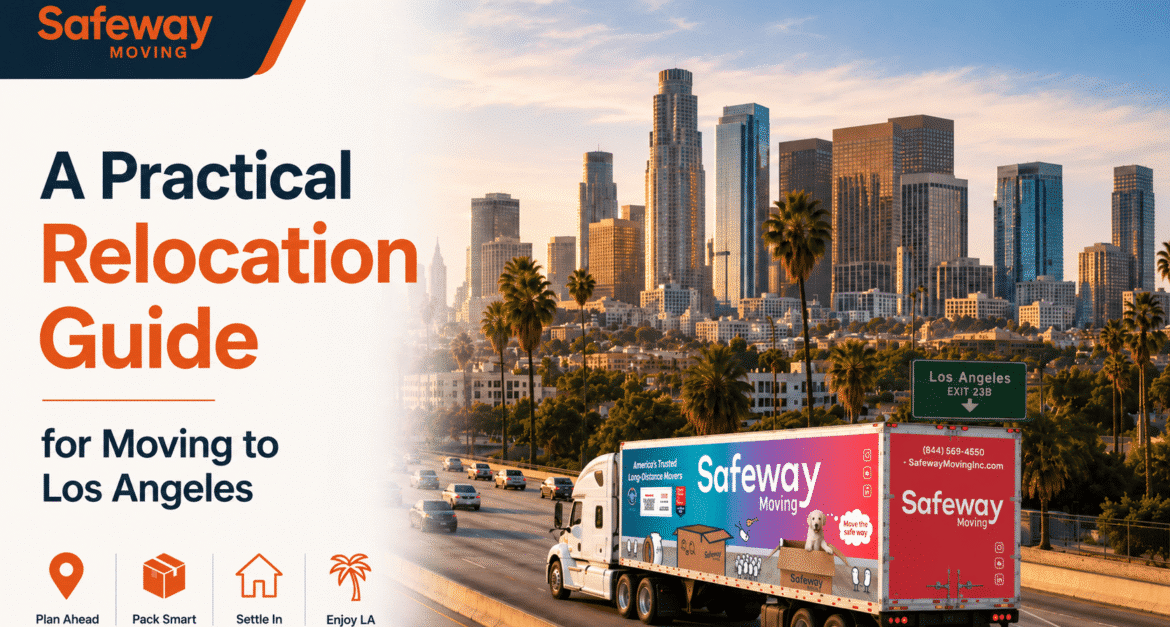
Relocating to Los Angeles involves a wide range of decisions that go beyond picking a new address. The city’s vast geography, at nearly 500 square miles, spans distinct neighborhoods with wildly different lifestyles, commute times, and price points. With close to 3.9 million residents, LA is the second-largest city in the country, and that sheer scale is exactly why a move here benefits from real planning rather than winging it. Whether you’re relocating for a job, family, or a lifestyle change, understanding what to expect before you move helps you avoid the most common surprises.
Understanding Los Angeles Neighborhoods and Lifestyle Differences
Los Angeles isn’t one uniform city, it’s a collection of genuinely distinct neighborhoods, each with its own lifestyle, cost of living, and commute profile. Coastal communities like Santa Monica prioritize walkability and a slower pace, while Downtown and Koreatown offer density, nightlife, and transit access. San Fernando Valley neighborhoods like Sherman Oaks and Studio City trade some of that density for more space and a quieter, more suburban feel at a lower price point.
Before you commit to an address, it’s worth reading our full breakdown of whether Los Angeles is a safe neighborhood by neighborhood, since safety, like everything else in LA, varies significantly by block rather than by city. If you’re specifically looking at West Hollywood, our West Hollywood apartment guide covers that market’s rent stabilization rules, parking situation, and building types in detail.
Key Neighborhood Planning Considerations
- Proximity to work, schools, and essential services to reduce daily commute stress
- Local parking availability and street access for moving trucks
- Building regulations related to move-in scheduling and elevator usage
- Community amenities such as public transit, grocery access, and healthcare
Planning the Logistics of Moving to Los Angeles
Logistics play a major role in any successful relocation, especially in a city as busy as Los Angeles. Traffic patterns, limited parking, and permit requirements can delay a move if they aren’t planned for in advance. Creating a relocation timeline that accounts for these factors upfront helps avoid last-minute complications and added costs.
Important Logistical Steps to Consider
- Scheduling the move during off-peak traffic hours when possible
- Confirming parking and loading zone access near the new residence
- Coordinating with building management for move-in approvals
- Allowing buffer time for delays related to traffic or access restrictions
Packing Strategies for a Los Angeles Relocation
Packing efficiently matters most for anyone relocating from out of state. Long-distance moves require durable packing methods that protect belongings during extended transport and handling, and a structured approach also speeds up unpacking once you’ve arrived. Our packing services use professional-grade materials and systematic labeling so items arrive safely and land in the right room the first time.
Effective Packing Practices
- Decluttering before packing to reduce moving volume and cost
- Using reinforced boxes and padding for fragile or high-value items
- Labeling boxes clearly by room and priority level
- Packing essential items separately for immediate access after arrival
Managing Costs and Timing When Moving to Los Angeles
Moving to Los Angeles can get expensive fast if costs aren’t planned ahead of time. Housing deposits, moving services, and any temporary accommodation between move-out and move-in dates can add up quickly. Understanding where those costs typically arise helps you stay financially prepared throughout the process, rather than getting caught off guard.
Timing directly affects both cost and availability. Peak season, weekends, and end-of-month dates all come with higher demand for moving services and, often, higher prices. Booking your move 6 to 8 weeks in advance and choosing a midweek date outside of peak season, when your schedule allows, gives you more room to plan around cost.
Cost and Timing Considerations
- Booking movers early to secure preferred dates and avoid premium pricing
- Planning moves during midweek or off-peak seasons when availability is higher
- Understanding building-related fees, such as elevator reservations or move-in deposits
- Allocating a contingency budget for unexpected relocation expenses
Settling In and Adjusting After the Move
Once the move itself is done, the focus shifts to actually settling in. Adjusting to new routines, commute patterns, and local regulations takes time, but a little preparation goes a long way toward easing that transition. Unpacking methodically, starting with the rooms you use daily, supports a faster, more comfortable adjustment than trying to unpack everything at once.
If your move-in date doesn’t line up cleanly with your move-out date, our storage solutions can bridge that gap without adding stress to an already busy week.
Post-Move Adjustment Tips
- Prioritizing unpacking essential rooms such as kitchens and bedrooms first
- Updating addresses, registrations, and local services promptly
- Exploring nearby amenities to build familiarity with the area
- Allowing time to adapt to new traffic patterns and commuting routes
Moving to Los Angeles?
Safeway Moving’s Los Angeles branch handles the traffic planning, building coordination, and permit logistics so you don’t have to. Flat-rate pricing, no surprises at delivery.
Frequently Asked Questions
Los Angeles is home to roughly 3.9 million residents, making it the second-largest city in the United States by population.
Neighborhood selection tends to matter more in Los Angeles than in most cities, since commute time, cost, and lifestyle can vary dramatically between neighborhoods just a few miles apart.
We recommend booking 6 to 8 weeks in advance, especially if you’re moving during peak season from May through September or around a weekend or end-of-month date.
Many do. High-rise and mid-rise buildings commonly require elevator reservations and certificates of insurance in advance, so confirming this with your building management early is worth the time.
Early morning on a weekday, ideally before 7 AM, generally avoids the worst of LA’s traffic on corridors like the 405, 101, and 110.